
10 Fascinating Things You Probably Didn’t Know About the Serengeti National Park
The Serengeti National Park is the crown jewel of any Tanzania safari, attracting travelers from around the world with its endless plains, rich wildlife, and iconic landscapes. While most people know about the Big Five and the Great Migration, there’s much more to this legendary destination than meets the eye.
Here are 10 fascinating facts about the Serengeti that will make your Tanzania safari experience even more meaningful.
1. One of the Oldest Ecosystems on Earth
The Serengeti ecosystem has existed for over 2 million years, making it one of the oldest intact ecosystems on the planet. Its wildlife patterns, climate, and vegetation have remained remarkably stable over time.
2. The Name Means “Endless Plains”
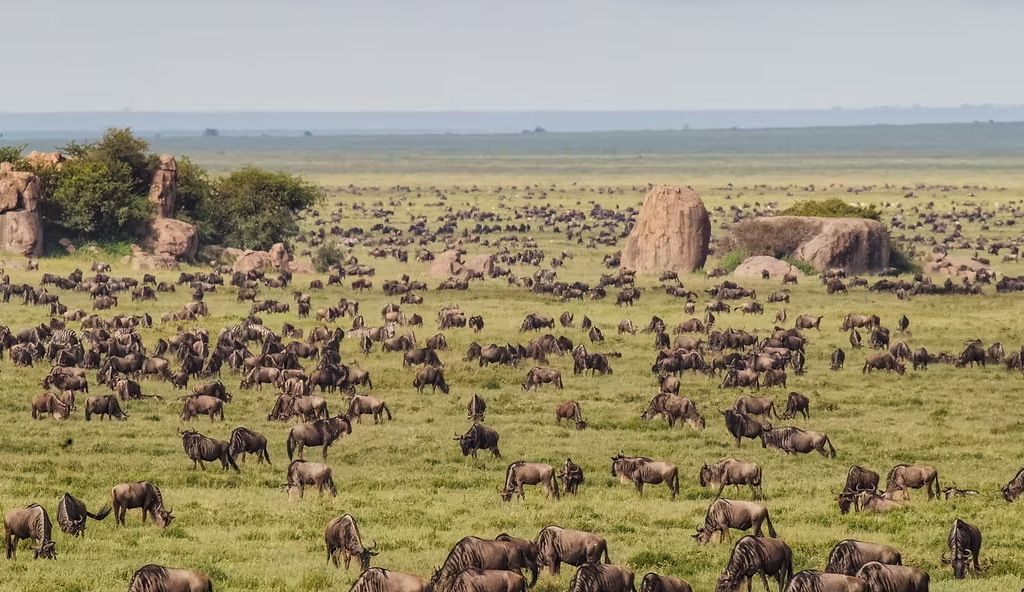
The word “Serengeti” comes from the Maasai people’s language, meaning “endless plains.” This perfectly describes the vast savannah that stretches across northern Tanzania.
3. The Great Migration Is a Continuous Cycle
The famous great migration safari in Tanzania is not a one-time event—it’s a year-round circular journey driven by rainfall and grazing patterns.
4. Home to the Largest Animal Migration in the World
Each year, more than 1.5 million wildebeest, along with zebras and gazelles, move across the Serengeti. This makes it the largest land migration on Earth, a highlight of any Tanzania safari tour.
5. Predator Action Happens Daily
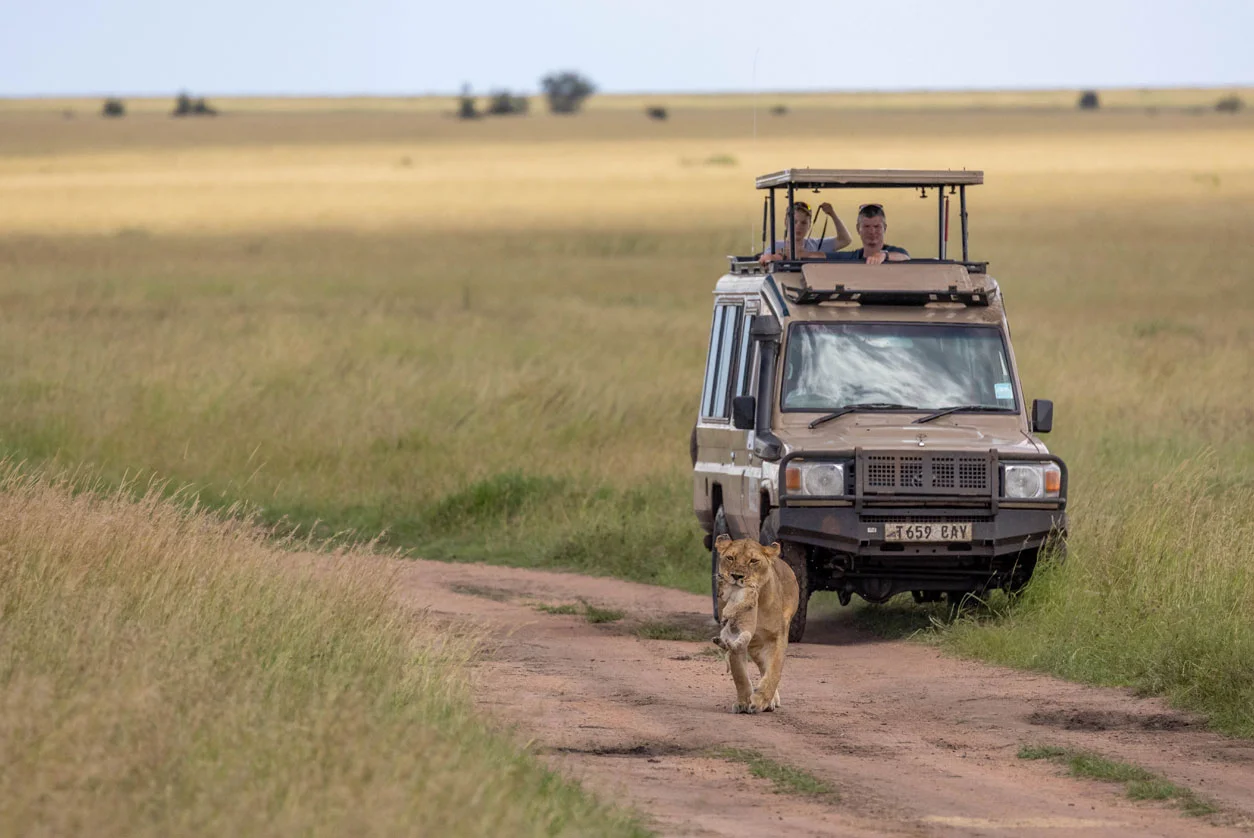
The Serengeti offers some of the best predator sightings in Africa, including the lion, cheetah, and leopard. These predators follow migrating herds, creating dramatic wildlife encounters.
6. A UNESCO World Heritage Site
Because of its global ecological importance, the Serengeti is protected under the UNESCO World Heritage Sites program, ensuring conservation for future generations.
7. No Fences, Just Freedom
Unlike many parks, the Serengeti has no major barriers. Animals move freely between Tanzania and Kenya’s Maasai Mara National Reserve, maintaining natural migration routes.
8. Termites Play a Huge Role
Tiny termites build mounds that act as nutrient hotspots, helping plants grow and supporting the entire Serengeti food chain.
9. A Hidden Birdwatching Paradise
The park is home to over 500 bird species, including the impressive ostrich and colorful lilac-breasted roller. It’s a dream destination for bird lovers on Tanzania safari tours.
10. Close to the Birthplace of Humanity
Near the Serengeti lies Olduvai Gorge, where some of the earliest human fossils were discovered—making this region crucial to understanding human evolution.