
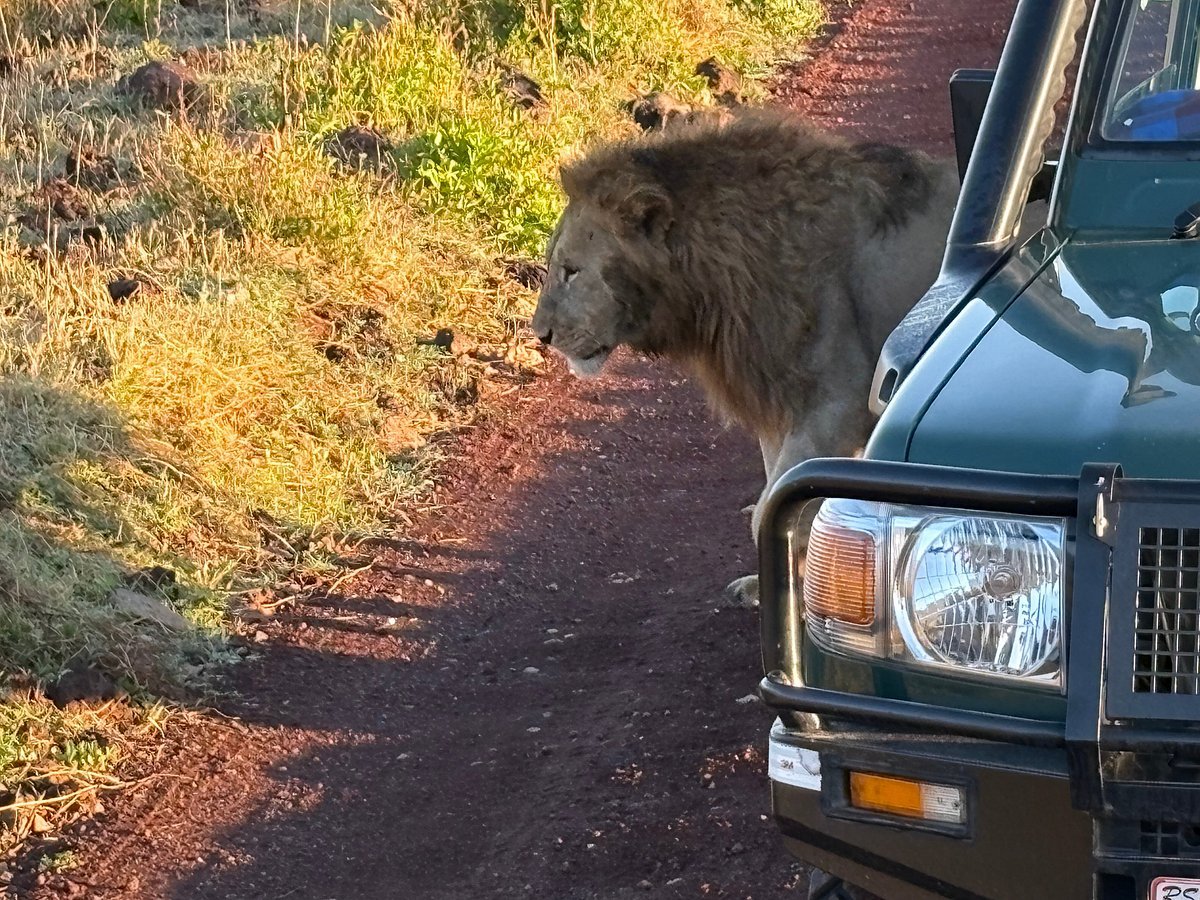
Why a Tanzania Safari in July, August, and September is Highly Recommended
If you’re dreaming of a wild African adventure, there’s no better time to go on a Tanzania safari than during the months of July, August, and September. These three months represent the peak of the dry season, offering ideal conditions for wildlife viewing, comfort, and once-in-a-lifetime natural spectacles like the Great Migration.
Whether you’re a seasoned safari-goer or planning your very first trip, here’s why this period is considered the best time to visit Tanzania’s world-renowned national parks.

1. Perfect Weather for Exploring the Wild
July to September is Tanzania’s dry season, meaning:
- Sunny skies almost every day
- Low humidity
- Cooler temperatures in the mornings and evenings
These months bring pleasant travel conditions. Unlike the rainy season, you won’t have to worry about muddy roads or afternoon downpours interrupting your game drives. The cooler temperatures also make long days in the bush more comfortable, especially for families and older travelers.
2. Unmatched Wildlife Viewing
With less water available, animals naturally congregate around permanent water sources like rivers and watering holes. This increases your chances of spotting:
- Elephants, giraffes, and zebras in large herds
- Big cats like lions, leopards, and cheetahs on the hunt
- Buffalo, antelope, and a wide variety of birdlife
The short grasses and clear visibility of the dry season also make it much easier to spot wildlife, even from a distance. It’s the best time to witness predator-prey interactions and observe animals in their natural behaviors.

3. The Great Migration—A Natural Wonder
One of the biggest reasons to safari in Tanzania during these months is to witness the Great Migration, one of the most incredible wildlife events on the planet.
- In July and August, over 1.5 million wildebeest, along with zebras and gazelles, begin dramatic river crossings over the Grumeti and Mara Rivers.
- These crossings are not just visually spectacular; they’re tense and action-packed, as massive Nile crocodiles lie in wait.
- In September, the migration continues through the northern Serengeti, often crossing into Kenya’s Masai Mara, with plenty of activity still visible from the Tanzanian side.
If you’re after those iconic National Geographic-style moments, this is the time to be in the Serengeti.
4. Tarangire Comes Alive
While the Serengeti often steals the show, Tarangire National Park is at its very best during this season.
Known for its large elephant populations, ancient baobab trees, and off-the-beaten-path vibe, Tarangire becomes a wildlife hotspot between July and September. Huge herds of elephants and other animals flock to the Tarangire River, providing spectacular viewing in a less crowded environment.
5. Fewer Mosquitoes, Lower Malaria Risk
Another bonus of the dry season? Fewer mosquitoes. With less standing water around, the risk of malaria is reduced, which is especially important for families or travelers seeking extra peace of mind.
6. Combine Tanzania Safari with Zanzibar

After days in the bush, why not treat yourself to some well-earned beach time?
The weather in Zanzibar is also excellent between July and September. Think clear skies, warm turquoise waters, and cool sea breezes. A few days on this idyllic island is the perfect way to unwind after the excitement of a Tanzanian safari holiday.
Final Thoughts: The Safari Season You Don’t Want to Miss
If you’re looking for:
- Reliable wildlife sightings
- Comfortable weather
- The Great Migration drama
- Photographic opportunities
- And fewer weather-related travel issues…
Then a Tanzania safari in July, August, or September is a no-brainer.
Just keep in mind—this is the most popular time to visit, so book early to secure your preferred lodges, camps, and guides.
Let the wild call you—Tanzania is waiting.